
Fundamentals of Technical AI Safety · Cohort 2Applications open
Technical AI Safety
AI capabilities are advancing faster than our ability to make them safe.
Free · Basic Python · Applications close 2 November 2026 · Starts 9 November 2026
- 6 weeksLive online, with a facilitator
- 5 to 7 hoursA week, alongside work
- 50 peoplePer cohort. Limited seats.
- GlobalOpen to anyone, anywhere
Who it’s for
- Researcher · Student
You know how to learn. You want to point it at something that matters.
For students and researchers in STEM or the social sciences.
- Engineer · Practitioner
You build AI systems. You want to understand what makes them fail.
For software engineers, ML engineers and data scientists.
- Curious · Committed
You are not sure where you fit yet. You want to find out.
No AI safety background needed. Basic Python is enough.
Live, in small pods, with people who take it seriously.
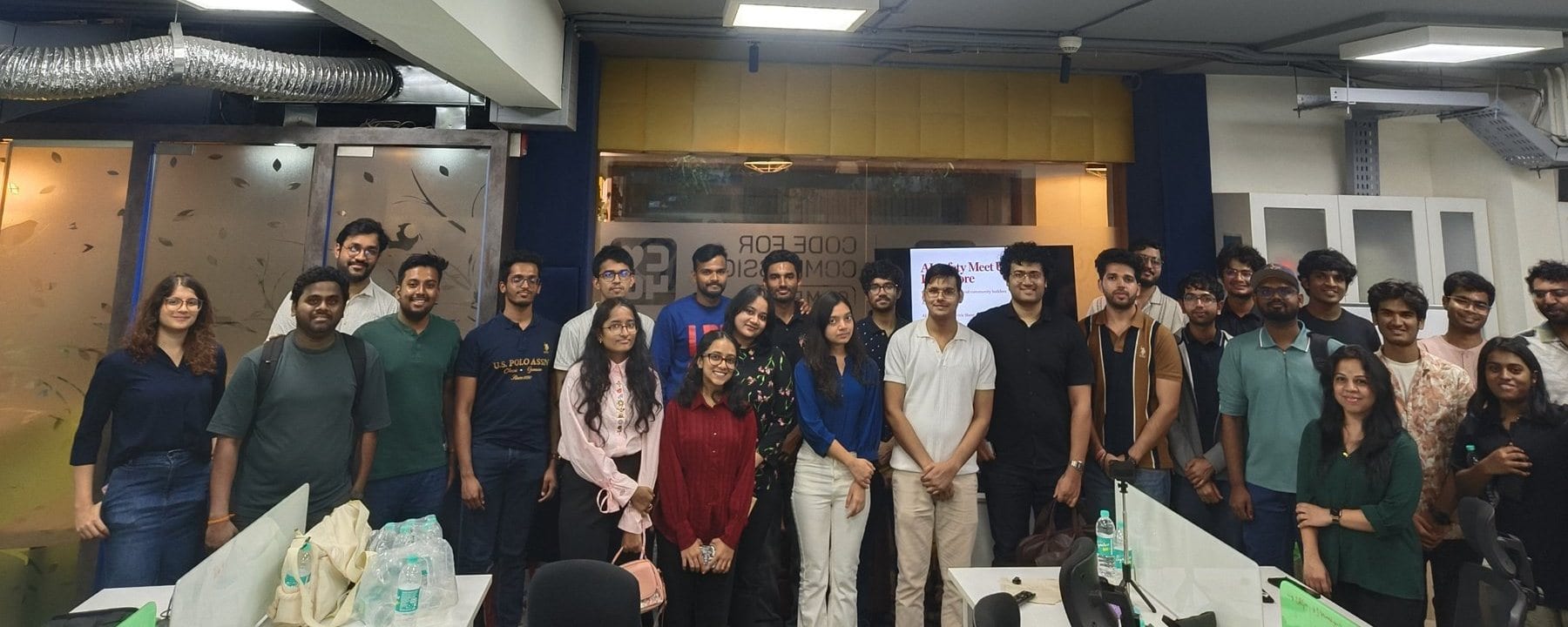
Fundamentals of Technical AI Safety, Cohort 2
Six weeks, six labs
- Week 01from 9 NovThe technical challenge with AIMaking AI go wellLab LLM safety and APIs
- Week 02from 16 NovTraining safer modelsReinforcement learning and RLHFLab RL alignment
- Week 03from 23 NovDetecting dangerEvals, red teaming and safeguardsLab Model testing
- Week 04from 30 NovUnderstanding AIMechanistic interpretabilityLab TransformerLens
- Week 05from 7 DecMinimising harmRobustness, alignment and jailbreaksLab Adversarial testing
- Week 06from 14 DecStart contributingOpen research problems and safety career pathwaysLab Research design
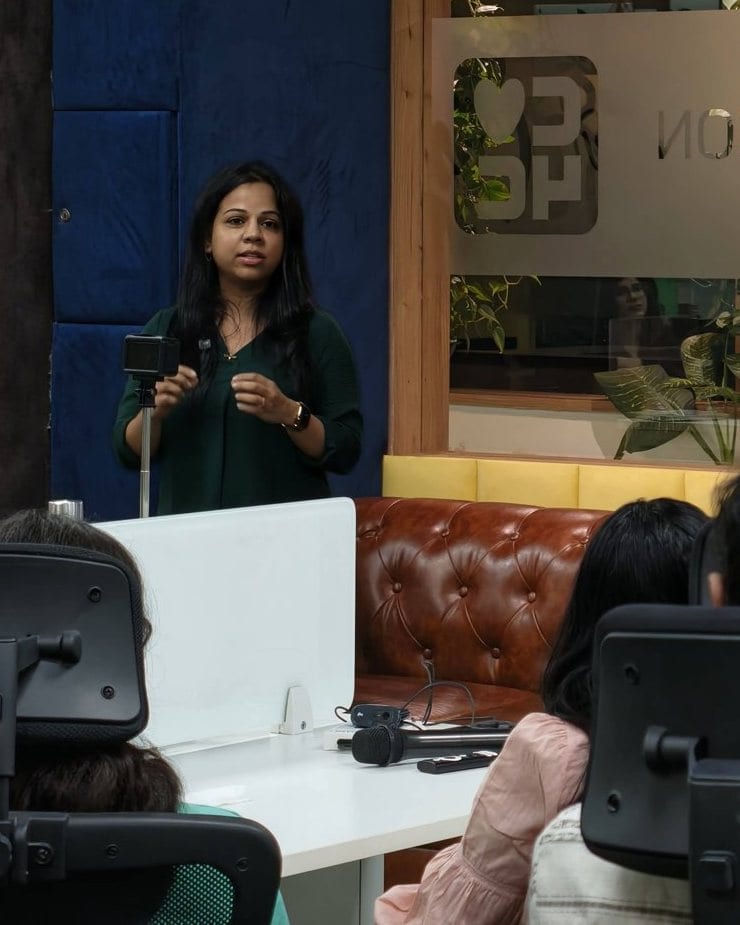
A week, in three steps
- 01ReadOne reading sets up the question.
- 02DiscussTwo hours live, in a pod of 6 to 8.
- 03LabHands-on, so the idea becomes yours.
In their own words
From people in Cohort 1.
“The facilitation model, not lecture-based, built real critical thinking rather than surface familiarity.”
 NehaPM/BA · UNESCO Women for Ethical AI, South Asia
“I was exploring AI Safety on my own. It was scattered. The cohort fixed that: structure, consistency, and people who actually took it seriously.”
 PrasannaNow at an impact-aligned startup
What you leave with

The six labs
- week 01labLLM safety and APIs
- week 02labRL alignment
- week 03labModel testing
- week 04labTransformerLens
- week 05labAdversarial testing
- week 06labResearch design
- donesix labs, one research design
Alumni network
Weekly discussions continue after your cohort ends.
Questions
Anything else? Write to contact@aisafetyindia.org.
Do I need prior AI safety knowledge?
No. Basic Python is enough. What matters most is 5 to 7 hours a week and genuine motivation to engage with this hard, important problem.
What does it cost, and when is Cohort 2?
The 6-week course is free. Applications open on 15 September 2026 and close on 2 November 2026. The course starts on 9 November 2026.
What will I be able to do after?
Understand alignment failure modes, implement interpretability techniques, evaluate model safety protocols, and analyse the policy implications of technical work.
Graduates go on to roles such as AI safety research fellow, model alignment engineer, evaluation specialist and safety policy analyst.
Is this only for people from India?
No. The cohort is open globally. Cohort 1 had people from nine countries across four continents. The programme is anchored in India’s regional context but open to contributors worldwide.
What happens after the 6 weeks?
You receive a certificate of completion and join the AISIN alumni network. From 2027, high-performing graduates will be able to apply for a 12-week research fellowship with a stipend, producing real published outputs.
Not sure which track? Compare them
| Compare | Technical AI Safety | AI Governance |
|---|---|---|
| Who it is for | Engineers, ML people, STEM researchers and students | Policy, law, social science, economics and industry roles |
| Background needed | Basic Python | None, no coding |
| Each week you make | A lab: code, evals, interpretability | An exercise: scans, audits, a policy memo |
| You finish with | A research design | A real policy memo and your leverage point |
| Then | Research fellowship, technical safety track | Governance and policy research fellowship |